
What Are LED Walls for Churches? All You Needs to Know
Mar 20, 2026For many years, churches have relied on projectors to display lyrics, sermon notes, and visuals during services. But as worship production continues to improve, many churches are now moving toward LED walls for churches as a more reliable and clearer display option. If you’re part of a team considering an upgrade, you’ve likely come across LED walls and are trying to understand if they are the right fit for your church.
In simple terms, LED walls are large display screens made up of smaller panels that work together to show bright and clear visuals. In this guide, we will explain what LED walls are. You will learn how they work in a church setting, why many churches are choosing them, and what you should consider before making a decision.
What Are LED Walls for Churches?
LED walls for churches are large display screens made up of smaller panels that connect together to form one screen. These panels are often called direct-view LED (dvLED) panels. This means the screen itself produces the image without needing a projector.
Unlike traditional projectors, LED walls deliver bright, high-contrast, and glare-free visuals. This makes them easy to see in different lighting conditions, whether the sanctuary has stage lighting or natural light coming in.
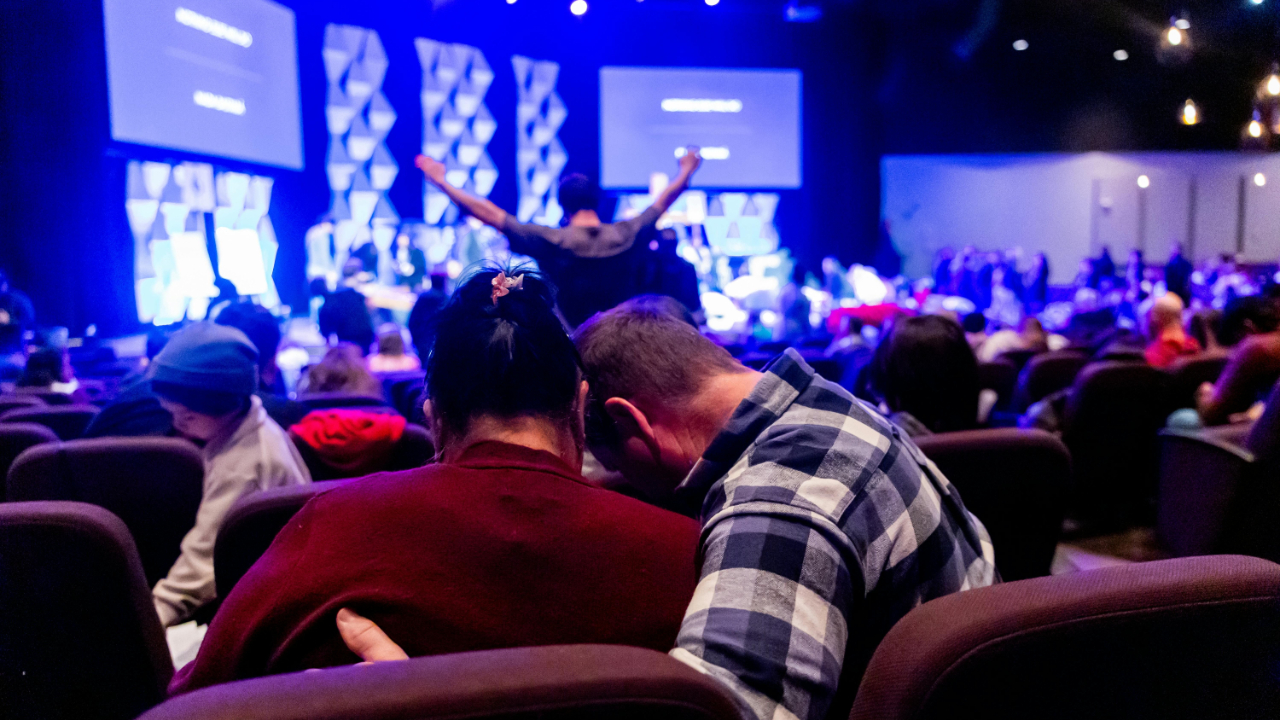
In a church setting, LED walls are used to display song lyrics, sermon notes, scripture, announcements, live video, and dynamic worship backgrounds. Because the visuals are clear and consistent, the congregation can follow along easily during the service.
Another advantage is flexibility. Since the screen is built from modular panels, it can be designed to fit different stage sizes and layouts. Whether the space is small or large, the LED wall can be adjusted to match the worship environment.
To put it simply, LED walls are a contemporary substitute for projectors. They give churches a clearer and more engaging way to present visuals during worship.
How Do LED Walls Work in a Church Setting?
In a church setting, LED walls work as part of a visual workflow that connects your media system to the screen. The process usually follows this path: media computer → LED processor → LED panels.
The media computer is where your content lives. This is typically a system running software like ProPresenter, MediaShout, or EasyWorship, where your team controls song lyrics, sermon slides, videos, and announcements during the service.
From there, the content is sent to an LED processor. The processor acts as the middle step. It takes the signal from the computer and converts it into a format the LED wall can display. It also ensures the image is scaled correctly so it fits the screen without distortion.
Finally, the processed signal is sent to the LED panels, which display the visuals as one screen.
In real church workflow, this means a volunteer or media team member controls everything from the computer. While the LED wall displays it instantly. When set up properly, the system runs smoothly and becomes a natural part of the church’s worship production system.
Why Churches Are Switching From Projector to LED Walls
Projectors have been the standard display system in churches for many years. They have served well for showing lyrics, sermon notes, and basic visuals. However, many churches are now transitioning from projectors to LED walls for churches because LED walls address common limitations found in traditional display systems.
-
Brightness
Brightness is one of the biggest reasons. Projectors can struggle in rooms with strong lighting or natural light, which makes the screen look dim. LED walls produce their own light, so visuals remain clear even when stage lights are on or the room is bright.
-
Clarity
Clarity is another key factor. Projected images can sometimes look washed out or hard to read, especially from a distance. LED walls display sharper text and more defined visuals, which makes lyrics, sermon notes, and announcements easier to follow.
-
Flexibility
Flexibility also plays a role. LED walls can display static slides, motion backgrounds, or full video content. This allows churches to create a more engaging stage environment without changing physical set designs.
-
Livestream compatibility
Livestream compatibility has become more important as more churches stream their services. LED walls show up clearly on camera, unlike projectors that can appear dim or faded in video.
For some churches, the switch is far from following a trend. They are using a display system that works reliably in every service.
LED Walls vs Projectors for Churches
When churches consider upgrading their display system, the decision often comes down to LED walls vs. projectors. Projectors have been used for many years and are still common in many worship spaces. However, as churches look for clearer visuals and more reliable performance, many are beginning to compare both options more closely before making a decision.
The following are the differences that stand out:
- Brightness seems like the most noticeable difference. Projectors rely on reflected light, which means the image can appear dim when the room is bright or when stage lighting is used. LED walls produce their own light, so the screen remains clear and visible in any lighting condition.
- Image quality is another major factor. Projectors can look faded or washed out, especially on large screens. LED walls provide sharper text, stronger colors, and better contrast, making it easier for the congregation to read lyrics and follow along during services.
- Lighting limitations also affect projectors. Churches often have to reduce stage lighting to keep the projected image visible. LED walls do not have this problem and can be used alongside full stage lighting without affecting visibility.
- Maintenance is different for both systems. Projectors require ongoing upkeep, including bulb replacements and occasional realignment. LED walls typically require less routine maintenance once installed.
- Lifespan is another consideration. Projector bulbs wear out over time, while LED walls are designed for long-term use and consistent performance.
Because of these differences, many churches see LED walls as a more reliable and flexible option for modern worship environments.
What Should Churches Consider Before Choosing an LED Wall?
Before choosing LED walls for churches, it is important to look beyond the screen itself and consider how the system will function in your specific worship space. The right decision comes from evaluating a few key factors.
-
Pixel Pitch
Pixel pitch affects how clear the screen will look, especially from different seating areas. A smaller pixel pitch works better for closer viewing distances, while a larger pitch can work for deeper rooms. This is one of the most important factors to get right.
-
Viewing Distance
The distance between the screen and the front row plays a major role in choosing the right display. If people sit close to the stage, the screen must be designed to look smooth at short distances.
-
Screen Size
The size of the LED wall should match the stage and sanctuary layout. A screen that is too small may not be visible to everyone, while one that is too large may overpower the stage.
-
Installation Type
Churches should decide between temporary and permanent LED wall installation. Temporary setups work well for portable or shared spaces, while permanent installations provide more stability and cleaner integration.
-
Budget
Budget affects every part of the project, from pixel pitch to screen size and installation method. It is important to balance cost with long-term performance.
These factors help churches make informed decisions and avoid costly mistakes when planning an LED wall installation.
Are LED Walls Worth It for Churches?
LED walls can be a strong upgrade for churches, but they are not the right fit for every situation. So the answer to the question "Are LED walls worth it for churches?" depends on your budget, space, and worship production goals.
If your church struggles with dim visuals, poor readability, or limitations from projectors, an LED wall can solve those problems and improve how the congregation engages during services. It also supports better livestream quality and a more flexible stage setup.
However, smaller churches or spaces with limited budgets may not need an LED wall immediately. In some cases, improving the current setup may be a more practical step.
The key is to evaluate whether an LED wall will truly improve your worship environment based on how your church operates.
Conclusion
LED walls for churches are more than just display screens. They are a long-term upgrade to how visuals are presented during worship services. When chosen and installed correctly, they improve clarity, support engagement, and work reliably in different lighting conditions.
Before making a decision, churches should carefully consider their sanctuary layout, viewing distance, and production needs. The right system should support the way your church worships, not complicate it.
At Sound of Heaven, we help churches evaluate their space and production setup to recommend LED wall solutions that fit their goals and budget.
Schedule a free consultation to explore the right LED wall option for your church.
Don't miss a beat!
New moves, motivation, and classes delivered to your inbox.
We hate SPAM. We will never sell your information, for any reason.