
How Churches Can Choose the Right Worship Production Provider
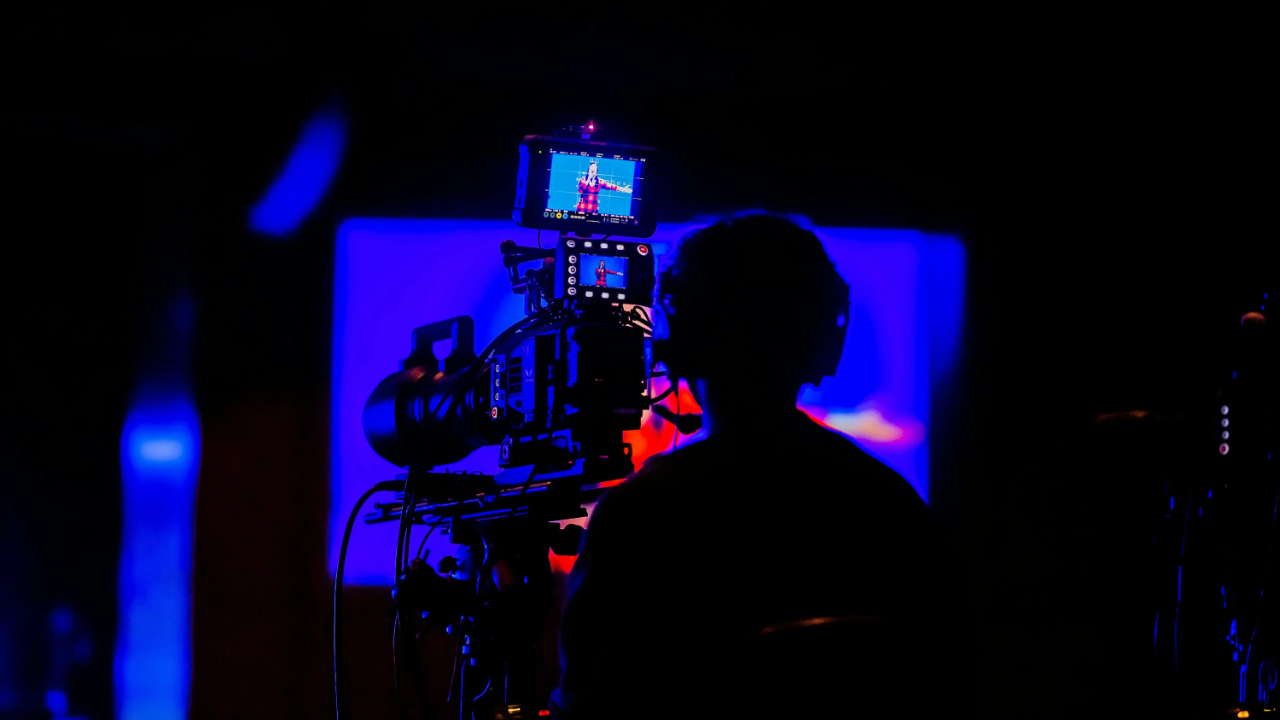
Feb 17, 2026The Covid-19 pandemic introduced Christendom to something that has now become a norm. Wondering what that is? Livestreaming of church service and programs. You now see that churches stream their programs on socials, YouTube, and many other available platforms. And if we need to say digital engagements are no longer temporary solutions, they are now part of how churches reach and serve people.
For this reason, churches are investing more in audio, video, and lighting systems to support both in-person and online worship. In simple terms, worship production is no longer “extra.” It is part of how ministry happens.
That is why choosing the right worship production provider matters so much.
This decision is not just about buying speakers, LED screens, or cameras. It has more to do with choosing a company that understands how churches work, how volunteers serve, how worship flows, and how Sunday mornings can feel busy and unpredictable.
So how do you know which worship production provider is right for your church? Continue reading as we guide you through.
What Churches Should Look For in a Worship Production Provider
Now that we understand why this decision matters, the next question is, what should you actually look for?
It is worth noting that not every company that installs speakers understands church ministry. And not every company that sells LED walls knows how volunteer teams operate.
Below are the key factors every church should evaluate carefully.
1. Experience Working With Churches
The first thing to evaluate is whether the provider regularly works with churches. Church environments operate differently from concert venues or corporate events. Volunteers often manage the system. Services happen every week without pause. Budgets are approved carefully and reviewed by leadership teams.
A provider who mostly installs systems for entertainment spaces may not understand the weekly rhythm of ministry. Because worship has unique workflow and planning needs compared to touring environments. Look for real church case studies, testimonials from worship leaders, and examples of sanctuary installations, not just stage lighting for events.
2. A Focus on Simplicity and Usability
Great equipment does not automatically create a healthy system. What matters most is whether your team can operate it confidently. Worship AVL professionals consistently emphasize that system design and usability are just as important as gear quality.
A strong provider will explain how the system will function on a normal Sunday, how volunteers will be trained, and how signal flow is organized. If explanations feel overly technical or confusing, that may signal future difficulty for your team.
3. Full-System Planning, Not Isolated Upgrades
Healthy worship production is about integration, not random upgrades. Audio, lighting, video, and livestream should work together as one connected system. Instead of recommending isolated improvements like “better speakers” or “a new console,” a qualified provider should explain how each component connects and supports long-term growth. This is the essence of proper AVL integration: designing the whole system intentionally rather than adding pieces over time without coordination. Churches planning to expand, livestream regularly, or host conferences especially need this level of foresight.
4. Ongoing Support and Training
Installation day is only the beginning. The real test happens weeks later when volunteers are running the system alone. Many churches report frustration when post-install support is unclear or difficult to access. Before signing any agreement, ask what kind of training is included, whether documentation will be provided, and how future troubleshooting is handled. A reliable worship production provider does not disappear after mounting equipment; they remain available as a resource when questions arise.
5. Budget Transparency and Clear Communication
Churches operate with stewardship in mind. Financial clarity builds trust. A dependable provider should offer detailed proposals, explain what is included in the cost, outline installation timelines, and clarify any ongoing service agreements. If pricing feels vague or rushed, that is a signal to pause and request clarity. Transparency early in the process prevents tension later.
6. Understanding of Hybrid and Livestream Ministry
Today, worship production extends beyond the sanctuary walls. Earlier we stated that online services are now a normal part of ministry. That means your provider must understand both room audio and broadcast audio. The mix that sounds strong in the sanctuary may not translate well online. Camera placement, streaming stability, and online clarity require intentional design. A provider who overlooks this may unintentionally limit your digital outreach.
7. Ministry Alignment, Not Just Technical Skill
Finally, consider whether the provider understands ministry itself. Do they ask about your worship style? Do they ask about volunteer capacity? Do they listen before recommending solutions? A ministry-aligned provider approaches the project as a partnership, not a transaction. They recognize that technology serves worship, not the other way around.
What Questions Should Churches Ask Before Hiring a Worship Production Provider?

Asking the right questions before hiring a worship production provider can protect your church from long-term frustration. These questions help you evaluate experience, clarity, and long-term partnership.
1. Can you show us projects you've completed for churches like ours?
A provider may have impressive installations, but church environments operate differently from corporate or touring stages. Ask for real church examples and references you can contact to confirm their experience firsthand.
2. How Will This System Be Designed for Volunteers?
Most churches rely heavily on volunteers, so usability matters just as much as equipment quality. Ask how the system will be simplified, labeled, and supported through training to ensure your team can operate it confidently.
3. What Does Ongoing Support Look Like After Installation?
Installation is only the beginning, and questions often arise months later. Clarify how support is structured, how quickly the provider responds, and whether training and documentation are included.
4. How Will This System Support Both In-Room Worship and Livestream?
Many churches now serve both in-person and online audiences each week. Ask how the provider will balance room audio with broadcast audio and ensure both experiences are clear and stable.
5. Can You Explain the Full System in Simple Terms?
If the explanation feels confusing during planning, operating the system later will likely be harder. A trustworthy provider should be able to describe how everything works in clear, everyday language.
6. How Does This Design Allow for Future Growth?
Church needs change over time, so flexibility matters. Ask whether the system can expand easily without requiring a complete rebuild later.
7. What Makes You Different From Other Worship Productions Providers?
This question reveals mindset. The answer should reflect partnership, long-term support, and ministry alignment, not just equipment and pricing.
What Warning Signs Should Churches Avoid in a Worship Provider?
Just as important as knowing what to look for is recognizing what to avoid. The following warning signs often show up early and can prevent long-term frustration if taken seriously.
1. Overpromising Fast Results Without Clear Planning
If a provider promises a quick installation without asking detailed questions about your space, worship style, or future plans, that is a concern. Worship production requires thoughtful planning, and rushing the process often leads to mistakes that show up later.
2. Focusing Only on Equipment Brands
Strong worship production is not built on brand names alone. If most of the conversation centers on high-end gear instead of system design, workflow, and volunteer usability, important pieces are being overlooked.
3. Vague Pricing or Changing Estimates
If pricing feels unclear, incomplete, or frequently revised without explanation, pause the process. A trustworthy provider should present detailed proposals and clearly explain what is included from the beginning.
4. Limited Post-Install Support
Installation day is not the finish line. If ongoing training and support are not clearly defined before signing, your team may be left managing issues alone.
5. Little Interest in Your Ministry Context
A ministry-aware provider will ask about your worship style, service flow, and volunteer capacity. If those conversations never happen, their recommendations may not truly fit your church.
6. Systems That Feel Overly Complex for Your Team
If the system explanation already feels confusing, operating it later will likely be harder. Volunteer confidence during planning often predicts long-term success.
How to Tell if a Provider Understands Ministry, Not Just Equipment
Not every company that installs speakers understands what happens on a Sunday morning. A provider may know how to mount an LED wall or wire a console, but ministry requires awareness of people, pressure, and purpose.
A ministry-aware worship production provider listens before recommending. They ask about your worship style, your volunteer experience level, your service flow, and your long-term vision before suggesting equipment.
For example, do they ask how many volunteers run your system weekly? Do they ask whether operators rotate? Do they ask how worship, preaching, and announcements flow together? These questions reveal whether they are designing for real ministry conditions or simply selling equipment.
A provider who understands ministry respects stewardship and avoids unnecessary upgrades. They design systems that support volunteers, prioritize clarity, and reduce stress on high-pressure Sunday mornings, because technology should serve worship, not compete with it.
How to Know Which Worship Production Provider to Choose
After evaluating experience, asking the right questions, and watching for warning signs, one final step remains: discernment.
At some point, the decision becomes less about comparison and more about confidence.
You know you are choosing the right worship production provider when the conversations feel clear, not confusing. When explanations make sense. When your team understands what is being proposed. When questions are answered directly, without pressure.
A strong provider will help you see the full picture. They will explain how audio, lighting, video, and livestream connect. They will outline what happens on installation day and what happens months later. They will talk about training. They will discuss future growth. And they will do so in language your volunteers can understand.
Putting it together…
Choosing a worship production provider is very important. The right provider listens, plans carefully, supports volunteers, and designs systems that are simple and stable. The wrong one leaves your team managing complexity instead of focusing on ministry.
If your church is considering AVL integration, installing Altura LED displays, or upgrading your worship production system, take time to evaluate wisely.
Sound of Heaven partners with churches to design clear, ministry-focused production systems built for real Sunday environments.
Book a Free Worship Production Consultation and take the next step with clarity.
Don't miss a beat!
New moves, motivation, and classes delivered to your inbox.
We hate SPAM. We will never sell your information, for any reason.